
 Available in US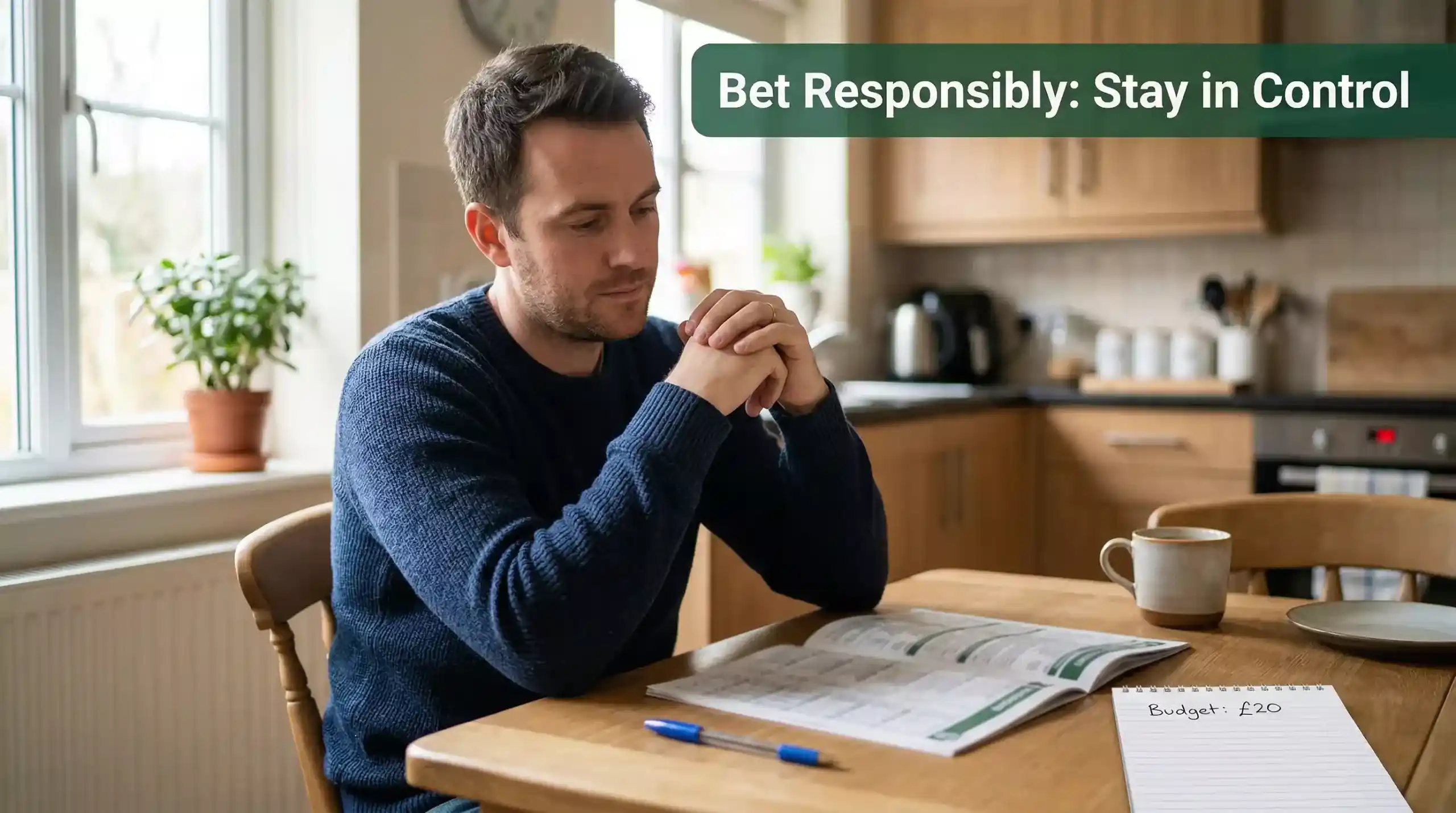
Responsible gambling ensures horse racing betting remains enjoyable entertainment rather than becoming harmful compulsion. The excitement of backing winners and the analytical challenge of form study provide genuine pleasure when approached with appropriate boundaries. Understanding how to set limits, recognise warning signs, and access support when needed protects both your finances and your relationship with a sport that can enrich leisure time when engaged responsibly.
Regulatory frameworks increasingly emphasise safer gambling. According to UK Parliament research, financial vulnerability checks have been introduced with thresholds moving from £500 to £150 as of February 2025. These affordability measures reflect government and industry recognition that gambling harm requires proactive prevention rather than reactive treatment.
Most racing punters bet without experiencing problems. Gambling becomes harmful only when it causes financial, emotional, or relationship damage that outweighs any enjoyment derived. Recognising where your betting sits on this spectrum—and adjusting behaviour if warning signs appear—maintains the sustainable engagement that allows lifelong enjoyment of racing.
This guide covers practical limit-setting, identifies warning signs of problematic gambling, and provides information about UK support resources available when betting behaviour becomes concerning.
Setting Healthy Limits
Effective limits prevent gambling harm before it develops. Establishing boundaries when betting is enjoyable proves far easier than imposing restrictions after problems emerge. Proactive limit-setting represents responsible gambling’s foundation.
Financial Boundaries
Set a betting budget that represents genuinely disposable income—money whose loss would not affect your ability to meet financial obligations. This amount varies by personal circumstance; what matters is honest assessment of what you can afford to lose entirely without material impact on your life.
Separate betting funds from essential money. Maintain dedicated accounts or allocations for gambling activity, never dipping into savings, bill money, or funds earmarked for other purposes. This separation creates practical barriers against overextension.
Time Boundaries
Allocate specific time for betting activity rather than allowing it to expand indefinitely. Racing offers multiple meetings daily; following everything proves impossible and unnecessary. Select which meetings warrant attention, and disengage when allocated time expires regardless of results.
Research indicates that young people face particular risks from gambling exposure. Studies show approximately 1.5% of children aged 11-17 experience gambling problems, with 1.9% classified as at-risk. Establishing healthy time boundaries early prevents patterns that become problematic later.
Using Bookmaker Tools
Licensed bookmakers provide responsible gambling tools that enforce limits automatically. Deposit limits cap how much you can add to accounts daily, weekly, or monthly. Loss limits restrict how much you can lose over specified periods. Session time reminders alert you when gambling sessions extend beyond set durations.
Set these limits when opening accounts, before emotional attachment to betting outcomes develops. Adjusting limits downward takes effect immediately; increasing limits typically requires cooling-off periods that prevent impulsive boundary removal.
Reality Checks
Enable reality check features that pause betting sessions with information about time spent and money wagered. These interruptions break absorption that can cause you to lose track of time and spending. The momentary pause allows rational assessment of whether to continue or stop.
Cooling-Off and Self-Exclusion
Take breaks from betting when you feel it affecting your mood or decisions negatively. Cooling-off periods let you step back temporarily without permanent account closure. If longer breaks seem necessary, self-exclusion removes access to betting for extended periods.
GamStop provides multi-operator self-exclusion across all UK licensed gambling sites. A single registration blocks access to online betting with all participating operators for chosen periods. This comprehensive exclusion proves more effective than individual operator self-exclusion for those needing complete breaks.
Avoiding Chasing Losses
The urge to recover losses through increased betting represents gambling’s most dangerous pattern. Accept that losses are inherent to betting; no strategy guarantees recovery, and attempts to chase often compound losses dramatically. When daily or session limits hit, stop—regardless of whether you are ahead or behind.
Chasing behaviour often escalates stakes, moves to unfamiliar bet types, or extends sessions beyond planned durations. Recognise these patterns as warning signs requiring immediate session termination. Tomorrow’s racing provides fresh opportunities; today’s losses cannot be undone through continued betting.
Emotional Betting Awareness
Avoid betting when emotional states—whether positive or negative—might affect judgment. Celebrations, stress, alcohol consumption, or relationship difficulties can all impair decision-making. If you notice betting patterns correlating with emotional states, consider whether gambling serves as unhealthy coping rather than genuine entertainment.
Set rules about when betting is and is not appropriate for you personally. Some punters avoid betting after alcohol; others skip racing after stressful work days. Personal awareness of your emotional triggers helps maintain betting as chosen activity rather than compulsive response.
UK Support Resources
Help is available when gambling becomes problematic. Recognising when to seek support—and knowing where to find it—enables intervention before harm escalates beyond manageable levels.
Warning Signs
Consider seeking support if you experience: betting more than you can afford, borrowing or selling possessions to fund gambling, neglecting responsibilities due to betting preoccupation, lying about gambling activity to family or friends, feeling anxious or irritable when not betting, or repeatedly failing to stick to self-imposed limits.
These signs indicate gambling may have shifted from entertainment to compulsion. Early recognition and action prevent progression to more serious harm.
GamCare
GamCare provides free support, information, and counselling for anyone affected by gambling. The National Gambling Helpline (0808 8020 133) offers immediate assistance; online chat and forum support provide alternative contact methods. Services extend to family members affected by someone else’s gambling.
Gamblers Anonymous
GA offers peer support through meetings where people with gambling problems help each other achieve and maintain abstinence. The twelve-step programme provides structured recovery alongside community support from others who understand gambling addiction from personal experience.
NHS Support
The NHS provides gambling disorder treatment through specialist clinics and mental health services. GP referrals access these services, which may include cognitive behavioural therapy, counselling, and medication where appropriate. Treatment is free at point of use.
BeGambleAware
BeGambleAware offers advice, resources, and treatment referrals for gambling problems. Their website provides self-assessment tools, practical guidance, and connections to appropriate support services based on individual circumstances.
Financial Advice
When gambling has caused financial problems, debt advice services help manage consequences. StepChange and National Debtline offer free, confidential debt advice that addresses gambling-related financial difficulties alongside other money concerns.
See also Virtual Horse Racing Betting.
Maintaining Enjoyable Betting
Responsible gambling ensures horse racing remains the enjoyable pastime it should be. Setting appropriate limits, using available tools, and seeking help when needed protects the sustainable engagement that allows lifetime enjoyment of betting on racing without harmful consequences to your finances, relationships, or wellbeing.
Assess your betting honestly and regularly. If limits feel constraining rather than protective, examine why that frustration exists. If stopping feels difficult when intended, consider whether patterns are developing that warrant attention before they escalate. Honest self-assessment catches problems early when intervention proves most effective and least disruptive.
Remember that support exists without judgment for anyone who needs it. Seeking help for gambling concerns demonstrates strength and self-awareness rather than weakness. Resources throughout the UK help people regain control when betting becomes problematic. Using these services when needed allows eventual return to healthy racing engagement for those who want it, or supported abstinence for those who determine betting no longer suits their circumstances. Either outcome represents success when it protects wellbeing. Responsible Gambling in Horse Racing — More on this topic at live horse racing betting.
