
 Available in US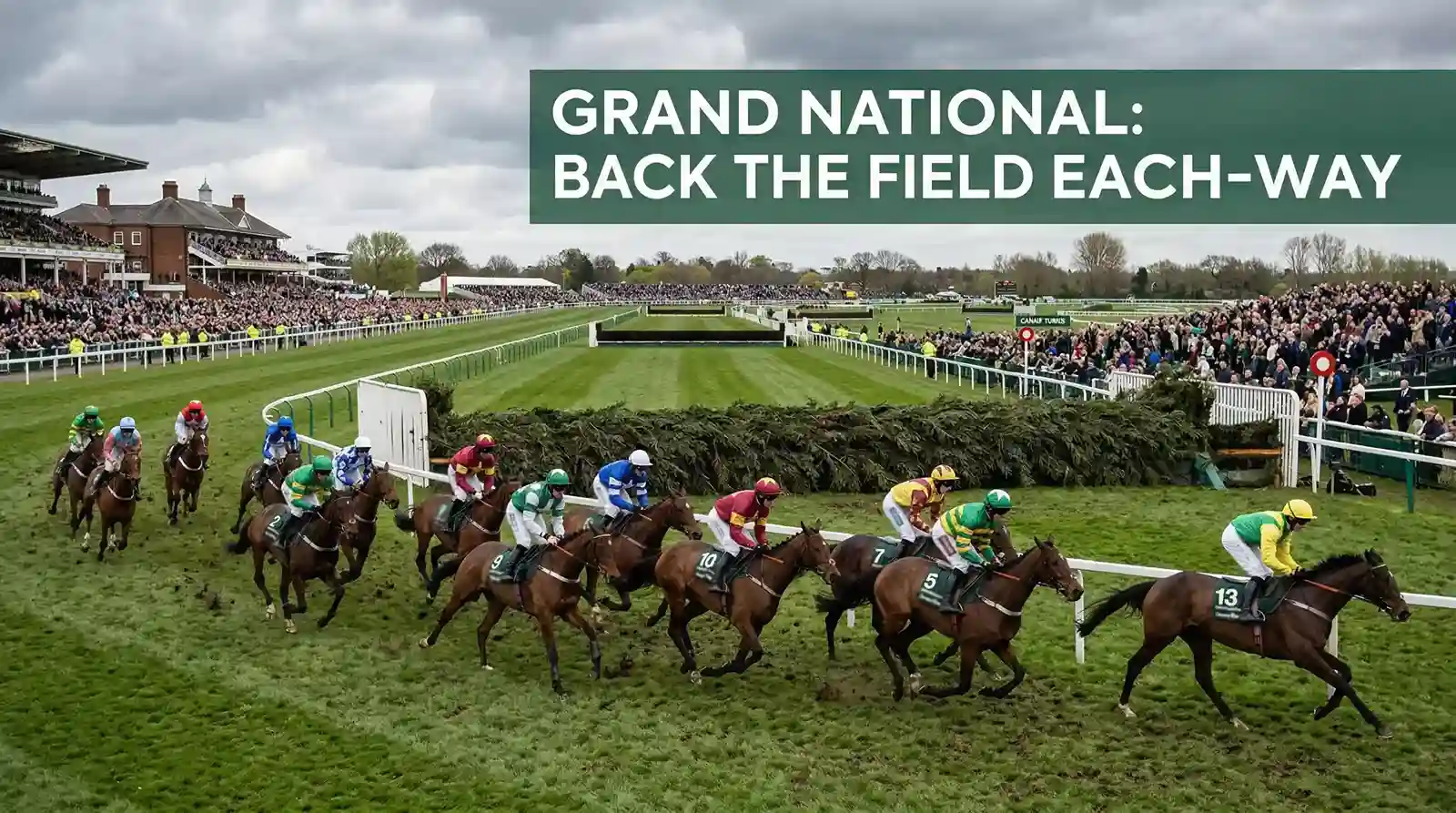
Grand National betting attracts more participants than any other single horse race in Britain. The Aintree spectacular draws casual punters who bet once annually alongside seasoned racing enthusiasts, creating unique market dynamics where recreational money can distort prices. Understanding the National’s distinctive challenges—its famous fences, marathon distance, and large field—improves selection approaches for racing’s most unpredictable contest.
The race’s appeal extends far beyond regular racing audiences. According to BHA research, 68% of ticket buyers at major racing events are casual or first-time attendees, and no event exemplifies this pattern more than the Grand National. This influx of inexperienced money creates opportunities for informed punters who understand what the race genuinely demands.
The Grand National tests more than racing ability. Horses must negotiate 30 unique fences over four miles and two furlongs, requiring jumping proficiency, stamina reserves, and temperamental suitability that everyday form cannot guarantee. Winners often combine obscure advantages—course experience, favourable weight, jumping soundness—that careful analysis can identify before markets fully adjust.
This guide examines the National’s specific challenges, outlines selection criteria that suit the race’s demands, and provides strategies for approaching British racing’s most famous betting event.
The National’s Unique Challenges
Aintree’s Grand National course differs fundamentally from standard steeplechasing. The famous fences, extreme distance, and competitive field create challenges that separate this race from any other in the calendar. Successful selection requires understanding these distinctive elements.
The Aintree Fences
The National’s spruce-dressed fences demand different jumping techniques than standard birch obstacles. Horses must brush through the spruce tops rather than jumping high and clean, requiring specific technique that some accomplished chasers never master. Previous Aintree experience—whether in the National itself or supporting races—provides evidence of fence suitability that raw form cannot capture.
Certain fences cause particular problems. Becher’s Brook, The Chair, and the Canal Turn have historical reputations, though modern modifications have reduced their influence on results. First-fence fallers typically lack concentration or pace judgement rather than fence-jumping ability. Experience helps horses settle into the unique rhythm Aintree demands.
The Distance Test
Four miles and two furlongs exceeds standard staying chase distances by nearly a mile. Horses must possess genuine stamina rather than mere staying ability, conserving energy through the early stages to maintain effort through the demanding final circuit. Front-runners who blaze through the first circuit often fade when the race intensifies.
Racecourse Association data shows jump racing attracted 1,840,245 spectators during 2024, with the Grand National meeting drawing substantial crowds across its three-day programme. This attendance reflects the event’s pulling power, generating massive betting turnover that concentrates around the National itself.
Field Size and Pace
Forty runners create hazards beyond jumping and stamina. Traffic problems, interference, and positioning challenges affect horses throughout the race. Those drawn wide or racing prominently face different obstacles than those settled in rear. The relentless early pace catches out horses unused to such fierce competition for position.
The start itself presents dangers. Horses wound up for the race’s unique atmosphere sometimes jump off too keenly, depleting reserves needed for the final mile. Jockeys who settle their mounts patiently through the early stages often fare better than those who engage with the early pace.
Weight and Handicapping
Top weights carry burdens that would be considerable over shorter distances and become crushing over the National’s marathon trip. History suggests middle-to-lower weights produce most winners, though exceptional horses occasionally overcome significant burdens. Assess whether carried weight allows each contender to deliver their form rather than assuming class will prevail regardless of impost.
Handicap marks for the National are published months ahead, allowing form developments to alter each horse’s effective treatment. Horses improving after weights are allocated may run from favourable marks, while those disappointing before the race may carry more than current form justifies.
Age and Experience
Younger horses lack the racing experience that National success typically requires. Eight to ten-year-olds dominate recent results, combining maturity with remaining physical capability. Very young horses may struggle with the race’s demands; very old horses may lack the necessary vigour for such an attritional test.
Previous National experience, particularly completing the course, provides valuable evidence of suitability. Horses who have finished the race before know what to expect; those attempting the National for the first time face unknown challenges that may prove unsurmountable.
Grand National Selection Tips
Applying specific criteria to National contenders identifies horses whose profiles suit the race’s demands. These factors matter more than general class assessments that work for standard chases.
Proven Course Form
Prioritise horses with existing Aintree form, particularly over the National fences in the Topham Chase or previous National attempts. This evidence demonstrates fence suitability more reliably than performances elsewhere. Trainers sometimes target the Becher Chase in December specifically to give horses National course experience.
Weight Assessment
Identify horses whose weights allow realistic winning chances. Carrying over 11st 5lb historically reduces prospects significantly; horses racing from around 10st to 11st have statistical advantages. Calculate where each horse falls in the handicap relative to likely ability, seeking those running from favourable marks.
Recent Form and Fitness
Horses must arrive fit for the most demanding test in British racing. Check recent runs for evidence of wellbeing and competitive preparation. Horses absent for extended periods or showing signs of decline face challenges that the National will expose ruthlessly. David Armstrong, Chief Executive of the Racecourse Association, noted that he was pleased to see the half-year attendance returns showing resilience across British racing—and the Grand National meeting exemplifies events that draw maximum public engagement when properly promoted.
Each-Way Approach
The National’s large field and unpredictable nature suit each-way betting perfectly. With enhanced places typically offered (four to six places at quarter or fifth odds), backing horses to finish in the frame rather than demanding outright victory captures value from runners whose profiles suggest completion more confidently than winning. Consider multiple each-way selections rather than a single concentrated win-only stake.
Calculate effective each-way odds to assess value properly. A horse at 25/1 with six places paid at one-fifth odds offers approximately 5/1 for placing alone. If you assess place probability higher than these odds imply, each-way value exists regardless of win chances.
Avoiding Public Money Traps
Casual punters backing familiar names or media-hyped selections shorten prices beyond fair value. Identify horses attracting disproportionate public support without corresponding form justification, and consider opposing them or seeking value elsewhere in the market. The National’s recreational betting influx creates value opportunities that more rationally-bet races lack.
Previous winners attract sentimental support that often exceeds realistic repeat chances. The demands of the race, combined with typical age progression and potentially unfavourable weight increases, make back-to-back victories exceptionally rare. Approach returning winners sceptically despite emotional appeal.
Trainer Targeting
Certain trainers target the Grand National methodically, preparing horses specifically for Aintree’s demands. Track which yards produce National runners consistently, noting their approach to preparation and historical success rates. A well-targeted trainer campaign often identifies genuine contenders more reliably than pure form analysis suggests.
See also Royal Ascot Betting.
Approaching the Grand National
The Grand National rewards punters who respect its unique demands rather than applying standard racing logic. The Aintree fences, extreme distance, large field, and recreational betting money all shape the race’s character in ways that everyday form reading cannot capture. Success requires adapting your approach to these specific challenges.
Build selections around course evidence, appropriate weights, and proven stamina. Avoid horses whose profiles suggest vulnerabilities the National will expose. Consider each-way approaches that acknowledge the race’s unpredictability while capturing value from completion rather than demanding victory.
Accept uncertainty as inherent to the event. The National produces surprises precisely because its demands eliminate horses whose ability exceeds their suitability. No analysis guarantees success in such an attritional test. Approach the race with realistic expectations, sensible stakes, and appreciation for the spectacle regardless of betting outcomes. Grand National Betting Guide — More on this topic at live horse racing betting.
